Skip to content
Is Creatine a Nutrient: A Science-Based Nutrition Guide
# Your Trusted Dietary Supplement Brand In US
- Emily

Table of Contents
Creatine is one of the most researched compounds in sports nutrition—yet it remains one of the most misunderstood. Some people treat it like a vitamin. Others see it as a muscle-building drug. Doctors rarely bring it up in routine checkups, while athletes swear by it for strength, power, and recovery. So where does creatine really belong in human nutrition? Is it a nutrient, a supplement, or something entirely different?
This confusion isn’t accidental. Creatine sits at the intersection of nutrition, metabolism, and performance science. It exists naturally in the human body, can be produced internally, is present in food, and plays a critical role in cellular energy systems—yet it doesn’t fit neatly into traditional nutrient categories like carbohydrates, proteins, fats, vitamins, or minerals. That gray area is exactly why people keep asking: Is creatine actually a nutrient?
Creatine is not classified as an essential nutrient, but it functions as a biologically active compound involved in energy metabolism. The body can produce creatine endogenously, and it is also obtained from food and supplements. While not required to prevent deficiency diseases, creatine plays a critical role in ATP regeneration, muscle performance, and brain energy support, making it a conditionally important functional nutrient for some individuals.
Understanding creatine requires moving beyond labels and into how the body actually uses it. Once you see where creatine comes from, how it’s produced, and why certain people benefit more than others, the nutrient debate becomes far clearer. Let’s start at the beginning—what creatine really is, and where it comes from.
What Is Creatine and Where Does It Come From?
Creatine is a naturally occurring compound involved in cellular energy production. It is synthesized in the human body from amino acids and stored primarily in skeletal muscle and the brain. Creatine also comes from dietary sources such as red meat and fish. Rather than providing energy itself, creatine supports rapid ATP regeneration, making it essential for short-term, high-intensity physical and cognitive activity.
What Is Creatine by Scientific Definition?
Creatine is a nitrogen-containing organic compound derived from three amino acids: arginine, glycine, and methionine. Chemically, it is not a protein, carbohydrate, fat, vitamin, or mineral. Instead, creatine belongs to a unique category of bioenergetic compounds that support how cells manage and recycle energy.
In the body, creatine exists in two main forms:
- Free creatine
- Phosphocreatine (PCr)
Phosphocreatine acts as a rapidly available phosphate donor, helping regenerate adenosine triphosphate (ATP)—the immediate energy currency of cells. This is why creatine is especially relevant during activities that demand fast, explosive, or repeated bursts of energy, such as weightlifting, sprinting, jumping, or intense mental focus.
Importantly, creatine does not stimulate the nervous system, does not act like caffeine, and does not directly build muscle tissue. Its role is structural and metabolic: it keeps the energy system responsive when demand spikes.
Where Does Creatine Exist in the Human Body?
Approximately 95% of all creatine in the human body is stored in skeletal muscle. The remaining 5% is distributed across the brain, heart, testes, and other tissues with high and fluctuating energy requirements.
| Tissue | Primary Role of Creatine |
|---|---|
| Skeletal muscle | Rapid ATP regeneration during contraction |
| Brain | Energy buffering for neurons |
| Heart | Support for continuous energy demand |
| Other tissues | Cellular energy stability |
Muscle creatine storage capacity is finite. Once saturation is reached, additional intake does not continue to accumulate indefinitely. This explains why creatine supplementation tends to benefit people with lower baseline levels (e.g., vegetarians or new trainees) more noticeably than those already near saturation.
Creatine concentration also varies with:
- Muscle mass
- Training intensity
- Age
- Diet (animal-based vs plant-based)
How Does the Body Produce Creatine Naturally?
The human body produces roughly 1–2 grams of creatine per day through endogenous synthesis. This process occurs primarily in the kidneys, liver, and pancreas and involves multiple enzymatic steps.
The simplified pathway is:
- Arginine + glycine → guanidinoacetate
- Guanidinoacetate + methyl group (from methionine) → creatine
This process is metabolically expensive, requiring energy and methyl donors. During periods of high physical stress, caloric restriction, aging, or intense training, endogenous production may not fully keep up with demand. This is one reason dietary or supplemental creatine can become functionally important, even though the body can technically produce it.
Which Foods Naturally Contain Creatine?
Creatine is found almost exclusively in animal-based foods, particularly muscle tissue. Common dietary sources include:
| Food Source | Approximate Creatine Content |
|---|---|
| Beef | 1–2 g per kg (raw) |
| Pork | ~1 g per kg |
| Salmon | ~1–1.5 g per kg |
| Tuna | ~0.5–1 g per kg |
| Chicken | Low to moderate |
Plant-based foods contain virtually no creatine, which is why vegetarians and vegans consistently show lower muscle creatine stores in research.
It’s also important to note that:
- Cooking degrades creatine
- Portion sizes required to reach performance-relevant doses are often impractical
- Daily intake from food varies significantly between individuals
As a result, food-based creatine intake is often inconsistent and insufficient for people with elevated energy demands.
Is Dietary Creatine the Same as Supplemental Creatine?
From a molecular standpoint, creatine obtained from food and creatine obtained from supplements are chemically identical. The difference lies in dose precision, bioavailability, and consistency.
- Food sources provide small, variable amounts
- Supplements allow controlled intake without excess calories or protein
- High-purity creatine monohydrate is absorbed efficiently and predictably
This distinction explains why creatine supplementation is common in modern sports nutrition—not because food is “bad,” but because it is imprecise for functional dosing.
Why This Distinction Matters for Nutrition Classification
Understanding where creatine comes from—both internally and externally—is central to the question “Is creatine a nutrient?”
- It is naturally present in the body
- It can be obtained from food
- It supports core metabolic functions
- Yet it is not essential for survival
This combination places creatine outside classical nutrition categories and firmly within the realm of functional nutrition science, where the goal is not deficiency prevention, but performance stability and metabolic efficiency.
Is Creatine Considered a Nutrient by Scientific Definition?
By strict scientific definition, creatine is not classified as an essential nutrient because the human body can synthesize it and deficiency does not cause a recognized disease. However, creatine performs nutrient-like functions by supporting cellular energy metabolism. For this reason, many researchers describe creatine as a functional or conditionally important compound rather than a traditional nutrient such as a vitamin, mineral, or macronutrient.
What Does “Nutrient” Mean in Nutrition Science?
To understand whether creatine is a nutrient, we first need to clarify what nutrition science actually means by the word nutrient—because this definition is far more rigid than most consumers realize.
Traditionally, a nutrient is defined as a substance that:
- Must be obtained from the diet (fully or partially)
- Is required for normal growth, maintenance, or physiological function
- Causes a measurable deficiency disease or impairment when intake is insufficient
Based on this framework, nutrients are categorized into:
- Macronutrients: carbohydrates, fats, proteins
- Micronutrients: vitamins and minerals
This system was designed primarily to prevent deficiency-related diseases such as scurvy, rickets, anemia, or protein-energy malnutrition—not to optimize performance, recovery, or metabolic efficiency.
Creatine immediately challenges this model.
Why Creatine Does Not Fit the Classical Nutrient Definition
Creatine fails the “essential nutrient” test for one main reason: the human body can synthesize it internally. Through a multi-step metabolic pathway involving amino acids, the body produces enough creatine to support basic survival in most sedentary individuals.
In addition:
- No official creatine deficiency disease exists
- Populations with low dietary creatine do not develop acute deficiency syndromes
- Creatine is not included in Dietary Reference Intakes (DRIs)
From a regulatory and textbook standpoint, these facts disqualify creatine from being labeled an essential nutrient.
However, this conclusion reflects limitations of the definition, not limitations of creatine’s biological importance.
Is Creatine a Nutrient or a Functional Compound?
Modern nutrition science increasingly recognizes that the classic nutrient model is incomplete. Many compounds are now known to be:
- Endogenously produced
- Non-essential for survival
- Yet critically important for optimal physiological function
Creatine falls squarely into this category.
Rather than acting as a building block (like protein) or a cofactor (like vitamins), creatine functions as an energy buffer system, maintaining ATP availability when demand fluctuates rapidly. This role is fundamental to:
- Muscle contraction
- Neural signaling
- Short-term power output
- Cognitive resilience under stress
Because of this, researchers often describe creatine as a functional nutrient, a bioenergetic compound, or a conditionally important substance—terms that better reflect how it actually behaves in the body.
Does Creatine Count as a Macronutrient or Micronutrient?
Creatine does not fit into either macronutrient or micronutrient categories.
| Category | Why Creatine Does Not Fit |
|---|---|
| Macronutrient | Provides no calories, not used for structure or fuel |
| Micronutrient | Not a cofactor, no deficiency disease, no RDI |
| Protein | Not an amino acid, not used for synthesis |
Despite being synthesized from amino acids, creatine is not a protein, does not contribute to nitrogen balance, and does not support muscle growth directly. Its impact is indirect—by enabling higher-quality training and energy availability.
This is why creatine is typically grouped under sports nutrition and functional supplementation, not basic dietary intake.
Is Creatine a “Conditionally Essential” Nutrient?
Some scientists use the term conditionally essential to describe compounds that are normally synthesized by the body but may become limiting under certain conditions. While creatine is not officially classified this way, the concept is highly relevant.
Situations where endogenous creatine synthesis may fall short include:
- High-intensity or high-volume training
- Aging-related muscle loss
- Vegetarian or vegan diets
- Chronic physical or cognitive stress
- Caloric restriction or rapid weight loss
In these contexts, creatine behaves as if it were essential—not for survival, but for maintaining normal function under stress. This reframing helps explain why creatine supplementation is consistently beneficial in specific populations, despite being “non-essential” on paper.
Why the Nutrient Debate Still Matters
The question “Is creatine a nutrient?” is not just semantic. It shapes how creatine is:
- Regulated
- Recommended by healthcare professionals
- Perceived by consumers
- Positioned within supplement formulations
Classifying creatine too narrowly risks underestimating its role in energy metabolism. Treating it like a drug or stimulant misrepresents its function entirely. The most accurate perspective is to view creatine as a foundational energy-support compound—not required to survive, but often required to perform, recover, and adapt effectively.
This distinction becomes especially important when evaluating whether creatine belongs in modern nutrition strategies focused on long-term performance, metabolic health, and consistency, rather than just deficiency prevention.

How Does the Human Body Produce and Use Creatine?
The human body produces creatine endogenously from amino acids in the kidneys, liver, and pancreas. Once synthesized, creatine is transported through the bloodstream and stored mainly in skeletal muscle and the brain. Creatine supports energy metabolism by regenerating ATP during short, high-intensity physical or cognitive activity, allowing cells to meet rapid energy demands more efficiently.
How Is Creatine Synthesized in the Human Body?
Creatine production is an endogenous, multi-organ process rather than something that happens in a single tissue. On average, the body synthesizes about 1–2 grams of creatine per day, depending on body size, muscle mass, diet, and metabolic demand.
The synthesis process occurs in two main steps:
Kidneys (and pancreas)
Arginine and glycine combine to form guanidinoacetate (GAA).
Liver
Guanidinoacetate is methylated using a methyl group donated by methionine, producing creatine.
This process requires:
- Amino acids
- Energy (ATP)
- Methyl donors (from the one-carbon metabolism pathway)
Because of this, creatine synthesis is metabolically expensive. The body tightly regulates how much creatine it produces, prioritizing survival-level needs rather than performance optimization.
This explains why endogenous production is usually sufficient for basic daily living—but not always sufficient under stress, training, or aging.
How Is Creatine Transported and Stored?
Once synthesized, creatine enters the bloodstream and is actively transported into tissues via specialized creatine transporters.
Approximately:
- 95% of total body creatine is stored in skeletal muscle
- ~5% is stored in the brain and other organs
Within muscle cells, creatine exists in two forms:
- Free creatine
- Phosphocreatine (PCr)
Muscle creatine storage is finite. When stores approach saturation, uptake slows. This is why individuals with lower baseline levels (e.g., vegetarians or new trainees) tend to respond more strongly to creatine intake.
How Does Creatine Support ATP Energy Metabolism?
Creatine’s primary role is not to provide energy, but to recycle energy quickly.
ATP (adenosine triphosphate) is the immediate energy source for muscle contraction and neural signaling. However, ATP stores are extremely limited and deplete within seconds during intense effort.
Creatine solves this problem through the phosphocreatine system:
- Phosphocreatine donates a phosphate group to ADP
- ADP is rapidly converted back into ATP
- This process occurs almost instantly
This system is most active during:
- Heavy lifting
- Sprinting
- Jumping
- Repeated high-power efforts
- Short bursts of intense mental focus
Without sufficient creatine, ATP regeneration slows, leading to earlier fatigue—not because fuel is gone, but because recycling capacity is limited.
How Does Creatine Function in the Brain and Nervous System?
While creatine is most associated with muscle, the brain is also a high-energy organ with limited tolerance for energy fluctuations.
Neurons rely on stable ATP availability to:
- Maintain ion gradients
- Support neurotransmission
- Sustain cognitive performance under stress
Creatine helps buffer energy availability in neural tissue, particularly during:
- Sleep deprivation
- Mental fatigue
- High cognitive load
- Neurological stress
This is why creatine is increasingly studied for brain energy support, migraines, and neuroprotection—areas that extend far beyond traditional sports nutrition.
How Efficient Is Endogenous Creatine Production?
Endogenous synthesis is adequate but conservative. The body prioritizes energy efficiency and metabolic balance over maximal creatine saturation.
Several factors can reduce effective creatine availability:
- High training volume or intensity
- Aging-related changes in muscle mass
- Low intake of animal-based foods
- Caloric restriction or rapid weight loss
- Chronic physical or cognitive stress
In these cases, internal production may meet baseline needs but fall short of functional demand, leading to faster fatigue or slower recovery.
Why Endogenous Production Alone Is Not Always Optimal
The body’s ability to make creatine does not automatically mean it makes enough for modern lifestyles.
| Context | Creatine Demand |
|---|---|
| Sedentary living | Low |
| Strength training | High |
| Endurance + intervals | Moderate–High |
| Cognitive stress | Moderate |
| Aging | Variable but often higher |
Endogenous synthesis is designed for survival, not repeated performance output. This gap explains why dietary or supplemental creatine can meaningfully improve energy stability, training consistency, and recovery, even though the body can technically produce creatine on its own.
What This Means for Nutrition and Supplementation
Understanding how the body produces and uses creatine reframes the entire “nutrient vs supplement” debate.
Creatine is:
- Not essential for survival
- Essential for rapid energy recycling
- Limited by production rate and storage capacity
- Highly responsive to increased demand
This places creatine in a unique category: a foundational bioenergetic compound whose relevance depends on lifestyle, workload, and physiological stress rather than simple deficiency models.
Do Humans Need Creatine from the Diet to Stay Healthy?
Humans do not strictly need dietary creatine to survive because the body can synthesize it internally. However, dietary or supplemental creatine may become important for maintaining optimal energy function under certain conditions. People with high physical demands, low dietary intake, aging-related muscle loss, or sustained cognitive stress may benefit from additional creatine to support energy stability, performance consistency, and recovery.
What Does “Staying Healthy” Actually Mean in This Context?
Before answering whether dietary creatine is “needed,” it’s important to clarify what healthy means. In nutrition science, health is often defined narrowly as the absence of disease or deficiency. Under that definition, creatine is not required—there is no officially recognized creatine deficiency disease in the general population.
However, many people interpret health more broadly, including:
- Stable daily energy
- Physical resilience
- Cognitive clarity
- Capacity to recover from stress
- Ability to maintain muscle and function with age
When health is viewed through this functional lens, the question shifts from “Can I survive without creatine?” to “Can my body consistently perform and recover well without it?”
That distinction is critical for understanding creatine’s role.
Is Endogenous Creatine Production Enough for Everyone?
The human body produces approximately 1–2 grams of creatine per day through endogenous synthesis. For sedentary individuals with low physical and cognitive demand, this is usually sufficient to support basic physiological function.
However, endogenous production is:
- Conservative, not maximal
- Energetically costly, requiring amino acids and methyl donors
- Tightly regulated to prioritize survival, not performance
This means the body does not naturally aim for full creatine saturation in muscles or the brain. It produces “enough,” but rarely “optimal,” especially when demand increases.
As modern lifestyles place increasing strain on both physical and mental energy systems, this built-in limitation becomes more relevant.
Which Groups May Function Better with Dietary Creatine?
While dietary creatine is not universally required, research and real-world observations consistently show benefits in specific populations:
| Population | Why Creatine Demand Is Higher |
|---|---|
| Strength & power athletes | Repeated ATP depletion |
| Endurance athletes | Cumulative fatigue, sprint efforts |
| Vegetarians & vegans | Near-zero dietary creatine intake |
| Older adults | Reduced muscle mass and synthesis efficiency |
| High-stress professionals | Sustained cognitive energy demand |
| People in caloric deficit | Reduced endogenous synthesis |
In these groups, creatine does not act as a “boost,” but as a stabilizer—helping maintain baseline performance and reducing energy drop-offs.
Why People Can Be “Healthy” Yet Still Benefit from Creatine
One reason creatine is controversial is that people can appear perfectly healthy without it. Blood tests are normal. No symptoms are obvious. Yet subtle performance and recovery limitations may still exist.
Common experiences linked to suboptimal creatine availability include:
- Fatigue appearing earlier during workouts
- Inconsistent training quality
- Slower recovery between sessions
- Mental fatigue under sustained focus
- Difficulty maintaining muscle with age
These are not medical conditions, but they meaningfully affect quality of life and long-term physical function. Creatine’s value lies in addressing these gray-zone issues that fall between “healthy” and “impaired.”
Does Dietary Creatine Become More Important with Age?
Aging introduces several changes that make creatine availability more relevant:
- Decline in muscle mass (sarcopenia)
- Reduced anabolic sensitivity
- Altered energy metabolism
- Slower recovery from physical stress
While endogenous creatine production does not stop with age, its functional impact declines as muscle mass decreases and energy systems become less efficient. This is why creatine is increasingly studied not just in athletes, but in healthy aging and functional independence research.
In this context, dietary creatine is less about performance enhancement and more about preserving capacity.
Why Doctors Rarely Frame Creatine as “Necessary”
From a clinical standpoint, creatine is not required to maintain basic health markers. Medical guidelines focus on preventing disease, not optimizing performance or resilience.
This is why:
- Creatine is absent from dietary reference intakes
- It is not routinely discussed in clinical nutrition
- Doctors may not proactively recommend it
This absence should not be interpreted as evidence against creatine, but rather as a reflection of how narrowly “need” is defined in medicine.
Sports and functional nutrition operate under a different framework—one that prioritizes consistency, adaptation, and long-term capacity.
So, Do Humans Need Creatine from the Diet?
The most accurate answer is context-dependent:
- Not required for survival
- Not required to avoid disease
- Often beneficial for optimal physical and cognitive function
- Increasingly relevant with higher demand or aging
Creatine is best understood as a functional nutrient-like compound: optional for basic health, but valuable for maintaining energy stability, training quality, and resilience in modern life.
This understanding bridges the gap between strict nutritional definitions and real-world human performance.

Is Creatine a Functional Nutrient for Performance and Recovery?
Creatine is best described as a functional nutrient rather than a traditional essential nutrient. It does not prevent deficiency diseases, but it plays a critical role in ATP regeneration, supporting strength, power output, training quality, and recovery. Under conditions of high physical or cognitive demand, creatine helps stabilize energy availability, making it functionally important for performance and resilience.
What Does “Functional Nutrient” Actually Mean?
In modern nutrition science, a functional nutrient is a compound that may not be essential for survival, but significantly influences how well the body performs, adapts, and recovers under stress.
Functional nutrients differ from classical nutrients in three key ways:
- They often do not cause deficiency diseases
- They are context-dependent (benefits increase with demand)
- Their impact is measured by performance and resilience, not survival
Creatine fits this definition precisely. While humans can live without supplemental creatine, the compound becomes increasingly important when the body is repeatedly pushed beyond baseline energy demands—whether through training, physical labor, or sustained mental effort.
How Creatine Directly Supports Physical Performance
Creatine’s performance benefits are rooted in bioenergetics, not stimulation or hormonal manipulation.
During short, high-intensity efforts, ATP is depleted within seconds. Creatine, stored as phosphocreatine in muscle cells, allows ATP to be regenerated almost instantly. This leads to several practical outcomes:
- Higher peak power output
- Greater ability to repeat high-effort sets
- Reduced performance drop-off within sessions
- Improved training density (more work in less time)
Importantly, creatine does not “push” the body beyond its limits. Instead, it reduces inefficiencies in energy recycling, allowing existing capacity to be expressed more consistently.
This is why creatine shows the strongest effects in:
- Strength training
- Sprint-based sports
- High-intensity interval training (HIIT)
- Sports with repeated explosive efforts
Why Creatine Improves Recovery Without Acting as a “Recovery Aid”
Creatine is often misunderstood as a recovery supplement, but its recovery benefits are indirect.
Rather than reducing inflammation or soreness directly, creatine improves recovery by:
- Reducing excessive ATP depletion
- Limiting metabolic stress during training
- Supporting faster restoration of energy balance post-exercise
When energy systems recover more efficiently, the body can shift resources toward tissue repair, nervous system recalibration, and adaptation. This explains why many users report:
- Less lingering fatigue
- More stable performance across training days
- Better tolerance of training volume over time
Recovery, in this sense, is not about feeling “less sore,” but about being ready to perform again sooner.
Is Creatine Functionally Important for Endurance Athletes?
Although creatine is most famous for strength sports, its functional role extends into endurance contexts—especially those involving pace changes, sprints, or fatigue resistance.
Endurance athletes often experience:
- Declining power output late in sessions
- Reduced sprint capacity
- Neuromuscular fatigue
Creatine can support:
- Sprint finishes
- Hill climbs
- Surges in pace
- Repeated accelerations
Additionally, by stabilizing energy availability, creatine may reduce the perceived effort of maintaining intensity, even if total endurance time does not dramatically increase.
This highlights an important point: creatine’s functional value is often qualitative (how training feels and holds together), not just quantitative.
Creatine as a Functional Nutrient for the Brain and Nervous System
Performance is not purely muscular. The nervous system plays a central role in force production, coordination, and fatigue perception.
Creatine supports brain function by:
- Buffering neuronal ATP availability
- Supporting neurotransmission under stress
- Reducing cognitive fatigue during prolonged effort
This is why creatine is increasingly studied in contexts such as:
- Mental fatigue
- Sleep deprivation
- High-focus professions
- Neurological stress conditions
From a functional nutrition standpoint, creatine contributes to central as well as peripheral performance, making it more than a “muscle supplement.”
Does Creatine Act Like a Conditionally Essential Nutrient?
While creatine is not formally classified as conditionally essential, it behaves like one in many real-world scenarios.
When demand exceeds endogenous production—due to training load, aging, caloric restriction, or dietary patterns—creatine availability becomes functionally limiting.
In these situations:
- Performance declines sooner
- Recovery slows
- Fatigue accumulates faster
Supplemental creatine does not create new capacity—it restores balance between supply and demand. This is the hallmark of a functional nutrient: it does not override physiology, it supports it.
How Creatine Differs from Stimulants and Ergogenic Aids
Creatine is often lumped together with “performance enhancers,” but this comparison is misleading.
| Aspect | Creatine | Stimulants |
|---|---|---|
| Mechanism | ATP regeneration | Nervous system stimulation |
| Crash effect | None | Common |
| Dependency | No | Possible |
| Long-term role | Structural support | Acute effect |
Creatine improves performance without masking fatigue signals or stressing the nervous system, which is why it integrates well into long-term training and health strategies.
So, Is Creatine a Functional Nutrient?
From a modern nutrition perspective, the answer is yes.
Creatine:
- Is not essential for survival
- Is critical for rapid energy recycling
- Becomes increasingly important as demand rises
- Supports both performance and recovery indirectly
- Enhances consistency rather than extremes
These characteristics define a functional nutrient—one that bridges the gap between basic nutrition and real-world performance needs.
Understanding creatine this way allows individuals to move beyond the false dichotomy of “nutrient vs supplement” and make decisions based on function, context, and long-term outcomes.
How Does Creatine Fit into Modern Sports Nutrition Supplements?
Creatine is a foundational component of modern sports nutrition supplements because it directly supports ATP regeneration, a core energy pathway in muscle and brain tissue. Supplementation provides a consistent, measurable creatine intake that dietary sources and endogenous synthesis may not reliably achieve. Its strong safety record, clear mechanism of action, and broad applicability make creatine a staple ingredient across strength, endurance, and recovery-focused formulations.
Why Creatine Became a Core Sports Nutrition Supplement
Modern sports nutrition exists to solve a specific problem: energy demand exceeds what basic diet and physiology can consistently support during repeated training and stress.
Creatine entered sports nutrition not because it was exotic or novel, but because it addressed a structural bottleneck in human energy metabolism. ATP availability during high-intensity effort is extremely limited, and the phosphocreatine system is the fastest way the body can regenerate ATP.
Food-based creatine intake is:
- Inconsistent
- Highly diet-dependent
- Reduced by cooking
- Impractical at performance-relevant doses
Endogenous synthesis, while sufficient for survival, is conservative and energetically costly. Supplements emerged as a way to bridge the gap between physiological capability and modern performance demand, not to override natural systems.
This is why creatine is one of the earliest—and still most relevant—sports nutrition supplements.
How Creatine Is Used in Modern Supplement Formulations
In today’s sports nutrition landscape, creatine is no longer treated as a standalone “bulking” product. Instead, it is integrated into function-driven formulations designed around specific use cases.
Common formulation roles include:
- Strength & power products: supporting repeated high-force output
- Pre-workout formulas: stabilizing short-term energy availability (non-stimulant role)
- Intra-workout blends: maintaining ATP regeneration during long sessions
- Recovery-focused supplements: reducing energy debt accumulation
- Hybrid formulas: combined with electrolytes, amino acids, or carbohydrates
Importantly, creatine’s role is structural, not acute. It is included to support consistency across sessions rather than to create immediate sensations.
Why Creatine Supplementation Is Different from Food Intake
From a biochemical standpoint, creatine is creatine—whether it comes from food or supplements. The difference lies in precision and reliability.
| Aspect | Food Sources | Supplements |
|---|---|---|
| Daily intake | Variable | Controlled |
| Dose accuracy | Low | High |
| Calorie load | High | Minimal |
| Saturation consistency | Unreliable | Predictable |
Modern supplements allow users to:
- Reach and maintain muscle creatine saturation
- Avoid excessive protein or calorie intake
- Adjust intake based on training load
- Maintain consistency across travel or schedule changes
This reliability is essential for long-term outcomes, which is why creatine supplementation persists even among well-fed athletes.
Why Creatine Is Valued Across Different Training Styles
Creatine’s placement in modern sports nutrition is not limited to one type of athlete.
- Strength athletes benefit from improved repeat-effort capacity
- Endurance athletes benefit from preserved power output and fatigue resistance
- Team sport athletes benefit from repeated sprint ability
- Recreational trainees benefit from more stable training quality
- High-stress professionals benefit from cognitive energy support
This broad applicability is rare. Most supplements target narrow outcomes; creatine supports a fundamental energy system shared across activities.
How Modern Sports Nutrition Evaluates Creatine Quality
As creatine became mainstream, quality differentiation shifted from “does it work?” to “how reliably and safely does it work?”
Modern evaluation criteria include:
- Raw material purity
- Contaminant testing
- Solubility and dispersion
- Accurate dosing
- Batch-to-batch consistency
- GMP-compliant manufacturing
From a consumer standpoint, these factors matter more than branding or flavor. Creatine’s effectiveness is already established—execution quality determines user experience and trust.
Creatine vs Other Common Sports Nutrition Ingredients
Creatine occupies a distinct role compared to other supplement categories:
| Category | Primary Function | Role Relative to Creatine |
|---|---|---|
| Protein | Structural repair | Complementary |
| Carbohydrates | Fuel supply | Parallel |
| Electrolytes | Hydration & signaling | Synergistic |
| Stimulants | Neural activation | Separate |
| Creatine | ATP regeneration | Foundational |
This explains why creatine is often stacked, not substituted. It supports the energy system that allows other nutrients to be used more effectively.
Why Creatine Remains Relevant Despite Changing Trends
Sports nutrition trends evolve rapidly, but creatine remains stable because it is tied to unchanging human physiology.
Muscles will always rely on ATP.
ATP regeneration will always be rate-limiting.
The phosphocreatine system will always be central to high-demand performance.
As long as these facts remain true, creatine will remain relevant—regardless of new ingredients or marketing cycles.
How Creatine Fits into a Long-Term Nutrition Strategy
The most important shift in how creatine is viewed today is time horizon.
Creatine is no longer positioned as:
- A short-term performance hack
- A “bulking-only” supplement
- A niche athlete product
Instead, it is increasingly used as part of a long-term functional nutrition strategy, supporting:
- Training consistency
- Recovery stability
- Energy resilience
- Healthy aging
This reframing aligns creatine with modern sports nutrition’s broader goal: not peak moments, but sustainable performance over time.
So, Where Does Creatine Fit in Modern Sports Nutrition?
Creatine fits not as an accessory, but as a structural support system.
It does not replace good nutrition, sleep, or training.
It does not force performance beyond physiological limits.
It supports the energy mechanisms that make consistent performance possible.
That role—quiet, foundational, and reliable—is exactly why creatine remains one of the most trusted and widely used components of modern sports nutrition supplements.
Conclusion
Creatine is not a nutrient in the classical sense—but it is far more than “just a supplement.” It is a biologically indispensable energy-support compound that sits at the core of how muscles and the brain meet short-term energy demands.
For sedentary individuals, endogenous synthesis may be enough. For active, aging, stressed, or performance-focused populations, creatine becomes functionally important—sometimes critical—for maintaining consistency, recovery, and energy stability.
Understanding creatine as a functional nutrient rather than forcing it into outdated categories allows for smarter, more personalized nutrition decisions.
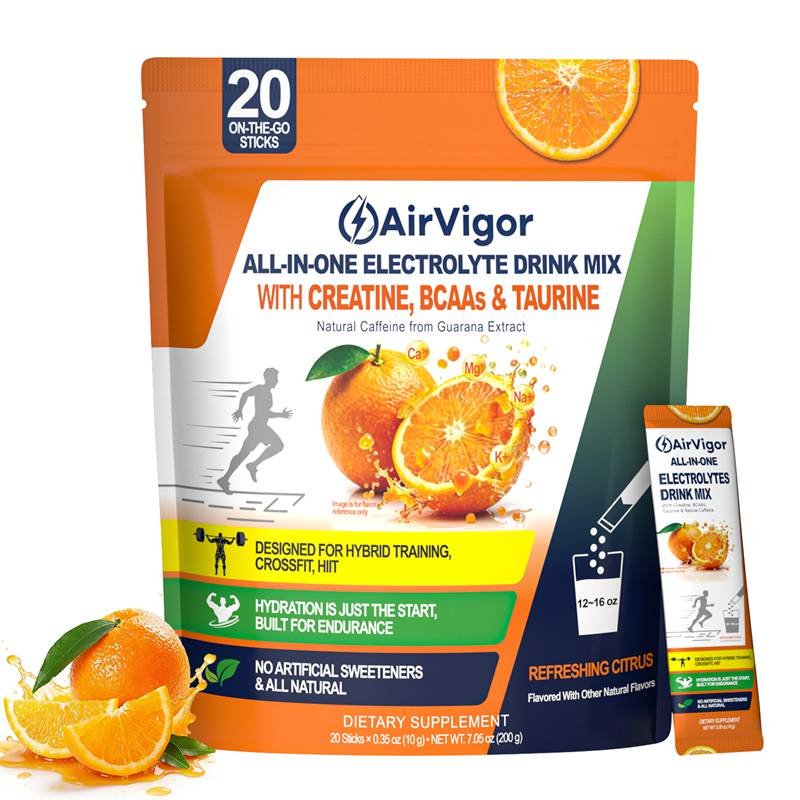
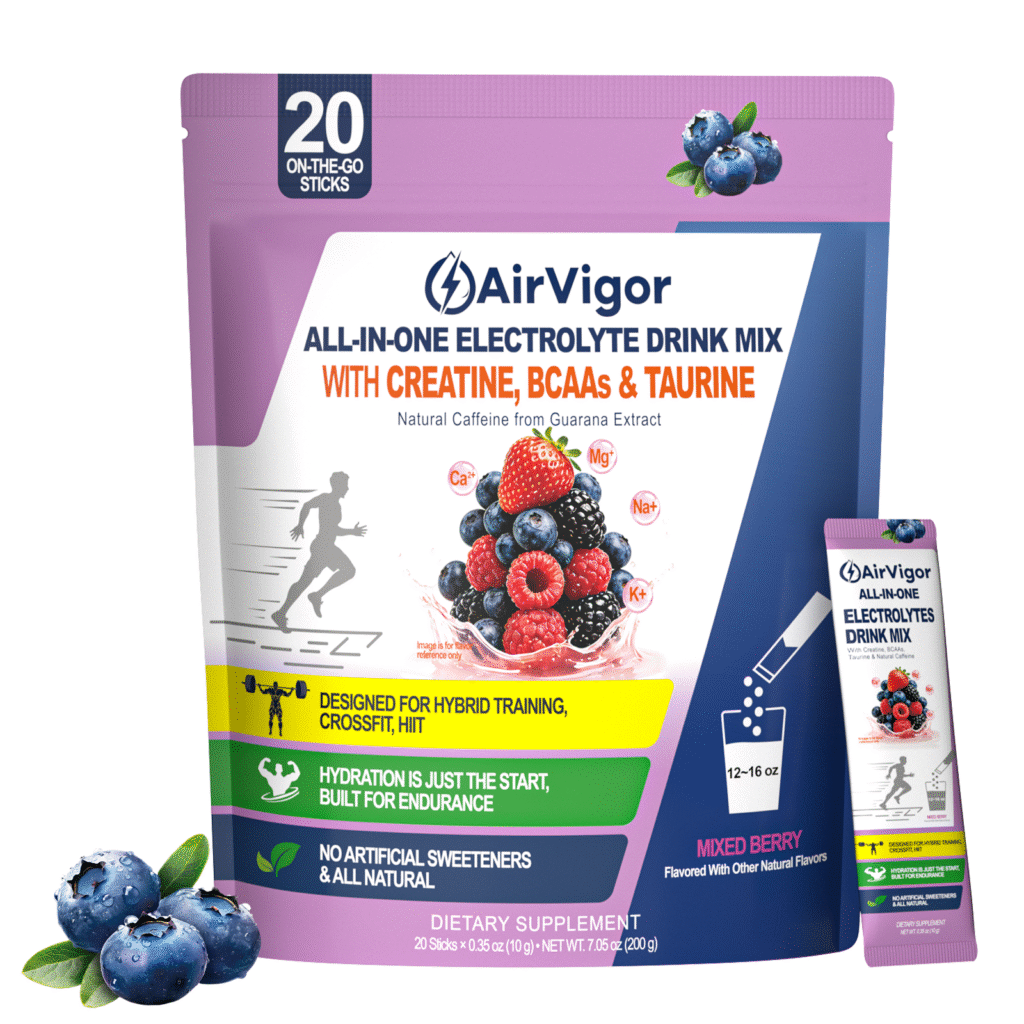
If you’re looking to purchase creatine products with stable quality and fast delivery, AirVigor offers Amazon-ready inventory across multiple formulations and packaging formats.
If you’re a brand, gym, or distributor seeking custom creatine or electrolyte formulations, our R&D and manufacturing teams support:
- Low MOQs
- Rapid sampling
- Full regulatory documentation
- Global fulfillment compatibility
Science-driven formulation, transparent sourcing, and long-term consistency—that’s how AirVigor supports performance, not hype.
Share:
Contact Expert Team
At AirVigor, performance becomes effortless. We transform advanced nutrition science into clean, effective supplements that help you hydrate, recover, and feel stronger every day. Shop AirVigor on Amazon and experience athlete-trusted formulas—backed by real science and supported by our world-class R&D and production capabilities.
Trust AirVigor
At AirVigor, turning your performance goals into reality is no longer a struggle—it’s a science-driven journey we build together. Whether you’re a runner, lifter, cyclist, yogi, outdoor athlete, or someone simply seeking better daily energy, AirVigor transforms advanced nutrition research into clean, effective, and trustworthy supplements you can feel.
Backed by our U.S. scientific team, global certifications, and world-class production standards, every formula is engineered to deliver real hydration, real recovery, and real performance. And when you’re ready to experience the difference, you’ll find AirVigor products available on Amazon and other major platforms—fast shipping, consistent quality, and a community of athletes already seeing results.
Behind the scenes, our R&D and manufacturing ecosystem also supports specialized formulation development, ensuring AirVigor continues to lead with innovation while keeping quality and safety uncompromised. But at the core, everything we create is built for you—your health, your performance, your momentum.
Choose AirVigor. Feel the science. Elevate your every day.


Subscribe to our newsletter
Sign up to our newsletter and we’ll keep you up to date with the latest arrivals.