Skip to content
What Are Dietary Supplements Used For:A Science-Based Guide to Health and Performance
# Your Trusted Dietary Supplement Brand In US
- Emily

Table of Contents
Walk into any gym, pharmacy, or online health store today and you’ll see shelves filled with powders, capsules, and drink mixes promising better energy, faster recovery, stronger muscles, or improved overall health. At the same time, you’ll also hear skepticism: “Do dietary supplements actually work?”, “Are they just expensive urine?”, or “Shouldn’t food be enough?”
These mixed messages leave many people confused—especially those who train regularly, work long hours, or simply want to feel better and perform more consistently in daily life. The reality is that dietary supplements are neither magic shortcuts nor unnecessary hype. Used correctly, they are tools—designed to support specific physiological needs that modern lifestyles and training demands often fail to meet through diet alone.
Today’s supplements are no longer limited to bodybuilders or elite athletes. Office workers struggling with fatigue, travelers dealing with dehydration, endurance athletes managing electrolyte loss, and even casual exercisers looking for better recovery all turn to supplements for targeted support. The question isn’t whether supplements are “good” or “bad,” but what they are used for, who truly benefits, and how they should be used responsibly.
Dietary supplements are used to support health, performance, and recovery by providing nutrients that may be difficult to obtain in adequate amounts from food alone. They help address gaps in hydration, protein intake, energy metabolism, and recovery—especially for active individuals, people under physical or mental stress, and those with increased nutritional demands. Supplements are designed to complement a balanced diet, not replace whole foods.
At their best, supplements make daily life and training more predictable: fewer crashes, steadier energy, smoother recovery. But understanding why they work—and when they’re appropriate—is what separates smart use from blind consumption. That’s exactly what we’ll explore next.
What Are Dietary Supplements Used For?
Dietary supplements are used to support health, physical performance, and recovery by providing specific nutrients that may be lacking or insufficient in daily diets. They help maintain hydration and electrolyte balance, support muscle repair and strength, improve energy metabolism, and reduce recovery time from physical or mental stress. Supplements are designed to complement food intake, especially for active individuals and people with increased nutritional demands.
To Fill Nutritional Gaps Created by Modern Lifestyles
Many people fall short of optimal nutrient intake—not because they eat poorly, but because their needs are higher than average.
- Busy schedules reduce meal quality and timing consistency
- Travel and work stress disrupt appetite and digestion
- Physical activity increases requirements for protein, minerals, and fluids
Dietary supplements provide measured doses of essential nutrients—such as protein, electrolytes, or creatine—without requiring major dietary changes. This makes them especially useful for people who want reliable intake even when meals are irregular.
To Support Hydration and Electrolyte Balance
One of the most common and practical uses of dietary supplements is hydration support.
Sweating causes the loss of:
- Sodium
- Potassium
- Calcium
- Magnesium
Replacing water alone does not fully restore fluid balance. Electrolyte supplements are used to:
- Improve water absorption
- Maintain muscle and nerve function
- Reduce cramping and early fatigue
- Prevent dehydration-related performance drops
This is why electrolyte supplements are widely used by athletes, outdoor workers, travelers, and anyone exposed to heat or prolonged physical activity.
To Support Muscle Repair, Strength, and Recovery
Another major use of dietary supplements is muscle recovery and maintenance.
During exercise, muscle tissue undergoes microscopic damage. Recovery depends on the availability of amino acids and energy substrates. Protein and amino acid supplements are used to:
- Support muscle repair after training
- Reduce prolonged soreness
- Maintain lean muscle mass during calorie deficits or aging
Creatine supplements are commonly used alongside protein to support ATP regeneration, helping users sustain training intensity over time rather than increasing stimulation.
To Improve Training Consistency and Performance Stability
Dietary supplements are often misunderstood as performance enhancers. In reality, their biggest benefit is consistency.
Instead of creating dramatic short-term boosts, supplements help:
- Reduce unexpected energy crashes
- Maintain hydration during long sessions
- Support recovery so training can be repeated consistently
For many users, this means fewer skipped workouts, steadier progress, and less cumulative fatigue—benefits that compound over weeks and months.
To Reduce Recovery Time From Physical and Mental Stress
Supplement use is not limited to exercise. Long work hours, cognitive stress, poor sleep, and travel also increase nutritional demands.
Supplements such as electrolytes, protein, and functional blends are used to:
- Support recovery after long or stressful days
- Maintain focus and physical comfort
- Prevent low-grade fatigue from accumulating
This is why dietary supplements are increasingly used by office workers, shift workers, and frequent travelers—not just athletes.
To Provide Convenience and Dosing Accuracy
A key reason dietary supplements are widely used is convenience.
Compared to whole foods, supplements offer:
- Fast preparation
- Easy portability
- Precise, repeatable dosing
- Predictable digestion and absorption
For example, consuming adequate protein immediately after training is often impractical through food alone. Supplements make this process simpler and more reliable.
What Dietary Supplements Are Not Used For
Equally important is understanding what supplements are not designed to do:
- They do not replace balanced meals
- They do not compensate for chronic sleep deprivation
- They do not override poor training or lifestyle habits
Dietary supplements are most effective when used as part of a structured routine, not as isolated fixes.
Why This Matters for Long-Term Health and Performance
When used correctly, dietary supplements help people:
- Maintain stable energy levels
- Recover more efficiently
- Reduce lifestyle-related nutritional stress
- Support long-term training and health consistency
Their value lies in supporting systems, not promising transformation.
How Do Dietary Supplements Work in the Body?
Dietary supplements work by supplying specific nutrients that support key physiological processes such as hydration, muscle repair, energy production, and metabolic regulation. Once absorbed, these nutrients participate in cellular functions including fluid balance, ATP regeneration, protein synthesis, and nervous system signaling. Supplements enhance the body’s ability to adapt to physical and mental stress rather than forcing artificial stimulation.
To understand how dietary supplements work in the body, it helps to move away from marketing language and focus on basic human physiology. Supplements do not “add new functions” to the body. Instead, they support existing biological systems by ensuring that required raw materials are available when demand increases.
The human body is remarkably adaptive, but that adaptability depends on nutrient availability. When nutritional inputs fall short—due to exercise, stress, heat, or restricted diets—performance and recovery decline. Dietary supplements work by reducing these bottlenecks.
Below are the primary mechanisms through which supplements function.
Supporting Hydration and Fluid Regulation
Hydration is one of the most immediate ways supplements act in the body.
Water balance is regulated at the cellular level by electrolytes such as sodium, potassium, calcium, and magnesium. These minerals control:
- Fluid movement across cell membranes
- Muscle contraction and relaxation
- Nerve signal transmission
When you sweat, you lose both water and electrolytes. Drinking plain water alone can dilute electrolyte concentrations, reducing hydration efficiency. Electrolyte supplements work by restoring mineral balance, allowing the body to retain and utilize fluids more effectively.
This is why electrolyte supplementation often leads to:
- Reduced perceived fatigue
- Fewer muscle cramps
- More stable endurance during prolonged activity
Providing Building Blocks for Muscle Repair and Tissue Maintenance
Another major way dietary supplements work is through protein and amino acid metabolism.
During physical activity, muscle fibers experience micro-damage. Repair and adaptation require amino acids—especially essential amino acids that the body cannot synthesize on its own. Protein supplements provide these building blocks in a form that is:
- Easy to digest
- Rapidly absorbed
- Consistent in dosage
Once absorbed, amino acids are used for:
- Muscle protein synthesis
- Repair of connective tissue
- Enzyme and hormone production
This process does not make muscles grow instantly. Instead, it supports recovery quality, allowing training stimuli to lead to adaptation rather than breakdown.
Enhancing Cellular Energy Availability (ATP Systems)
Some supplements work at the cellular energy level, particularly creatine.
Creatine plays a direct role in the phosphocreatine system, which rapidly regenerates ATP—the body’s immediate energy currency—during short, high-intensity efforts. Supplementing with creatine increases intramuscular phosphocreatine stores, allowing faster ATP recycling.
Physiologically, this results in:
- Improved power output
- Better performance in repeated efforts
- Reduced fatigue during high-intensity training
Importantly, creatine does not stimulate the nervous system. It works by supporting natural energy pathways, making it effective without causing crashes or dependency.
Regulating Metabolic and Nervous System Function
Many supplements influence metabolism indirectly by supporting enzymatic and nervous system processes.
Minerals and vitamins often function as cofactors, meaning they enable enzymes to carry out chemical reactions efficiently. Without sufficient cofactors, metabolic processes slow down—even if calories are available.
For example:
- Magnesium supports neuromuscular relaxation
- B vitamins assist energy metabolism
- Sodium and potassium regulate nerve impulses
Supplements help maintain these systems under stress, ensuring that energy production and signaling remain efficient rather than erratic.
Improving Recovery From Physical and Mental Stress
Dietary supplements also support recovery beyond muscles.
Stress—whether physical or mental—increases nutrient turnover. Electrolytes are lost through sweat, amino acids are used for tissue repair, and energy substrates are depleted. Supplements work by accelerating replenishment, reducing the time the body spends in a depleted state.
This explains why many users report:
- Faster return to baseline after workouts
- Less lingering fatigue
- Improved tolerance to repeated stressors
The effect is cumulative rather than dramatic, reinforcing long-term consistency.
Why Supplements Work Best With Consistent Use
Most dietary supplements do not act like drugs with immediate effects. Instead, they work through availability and saturation.
For example:
- Creatine requires days to weeks of consistent intake
- Protein benefits depend on daily totals, not single doses
- Electrolyte balance improves with regular replenishment
This is why supplements are most effective when integrated into daily routines rather than used sporadically.
What Supplements Do Not Do in the Body
Understanding limitations is critical for correct use.
Dietary supplements:
- Do not override sleep deprivation
- Do not replace calories or fiber from food
- Do not force performance beyond physiological limits
They support the body’s systems—but only within the boundaries set by lifestyle, training, and recovery.
Why This Mechanism-Based View Matters
When people understand how supplements work in the body, expectations become realistic. Supplements are no longer judged by instant sensations, but by stability, recovery quality, and long-term outcomes.
This perspective aligns with how evidence-based brands design their products: focusing on absorption, dosage accuracy, and physiological relevance rather than exaggerated claims.

The most common dietary supplements include protein powders, electrolyte supplements, creatine, multivitamins, and omega-3 fatty acids. Among active individuals, protein, electrolytes, and creatine are used most frequently because they directly support muscle recovery, hydration, and energy production—areas where nutritional demands increase with exercise, stress, and heat exposure.
Dietary supplements become “common” not because of trends, but because they address repeated, widespread physiological needs. The supplements most widely used today are those that solve practical problems people encounter every day: inadequate protein intake, dehydration, slow recovery, and inconsistent energy.
Rather than listing dozens of categories, it’s more useful to understand common supplements based on what they support in the body and why people keep using them long term.
Protein Supplements
Protein supplements—such as whey, collagen, plant-based blends, and mixed protein formulas—are the most commonly used dietary supplements worldwide.
Why they’re common:
- Protein requirements increase with exercise, aging, and calorie restriction
- Many people under-consume protein through meals alone
- Protein supplements offer precise dosing and easy digestion
How people use them:
- After workouts to support muscle repair
- Between meals to maintain protein intake
- During busy schedules when full meals are impractical
Protein supplements are popular not because they build muscle instantly, but because they help people consistently meet daily protein needs, which is foundational for recovery, strength maintenance, and metabolic health.
Electrolyte Supplements (Hydration-Focused Essentials)
Electrolyte supplements are among the most common supplements used by athletes, outdoor workers, travelers, and individuals living in hot or humid climates.
Key electrolytes include:
- Sodium
- Potassium
- Calcium
- Magnesium
Why they’re common:
- Sweating leads to mineral loss, not just water loss
- Plain water may not fully restore hydration balance
- Modern low-sodium diets can worsen electrolyte depletion
Electrolyte supplements help improve fluid absorption, maintain muscle function, and reduce dehydration-related fatigue. Their widespread use reflects how often people experience hydration stress, even without realizing it.
Creatine (The Most Researched Performance Supplement)
Creatine is one of the most common and well-studied dietary supplements in sports nutrition.
Why it’s widely used:
- Supports ATP regeneration for short, high-intensity efforts
- Improves training capacity and repeated performance
- Has strong long-term safety data in healthy adults
Creatine is used not only by strength athletes, but also by recreational exercisers, older adults, and individuals focused on maintaining muscle function. Its popularity stems from consistent, reproducible results, not stimulation or hype.
Multivitamins (General Coverage Supplements)
Multivitamins remain one of the most commonly purchased dietary supplements, particularly among the general population.
Why people use them:
- To cover potential micronutrient gaps
- To support baseline nutritional adequacy
- As a simple daily habit
While multivitamins are not performance-focused, they are commonly used as a nutritional safety net, especially for people with restricted diets or inconsistent eating patterns.
Omega-3 Fatty Acids (Supportive Health Supplements)
Omega-3 supplements, typically derived from fish oil or algae, are widely used for general health support.
Common reasons for use:
- Support cardiovascular health
- Support joint comfort and inflammation balance
- Compensate for low fish intake
Omega-3s are popular because they address a known dietary gap in many populations and support long-term health rather than acute performance.
Functional Combination Supplements
An increasingly common category includes combination supplements that integrate electrolytes, amino acids, creatine, collagen, or vitamins into a single formula.
Why they’re gaining popularity:
- Reduce the need for multiple products
- Simplify supplementation routines
- Improve adherence and convenience
These supplements appeal to users who value efficiency and simplicity, especially those balancing training, work, and travel.
Comparison: Most Common Dietary Supplements
| Supplement Type | Primary Purpose | Most Common Users |
|---|---|---|
| Protein | Muscle repair & maintenance | Athletes, active adults |
| Electrolytes | Hydration & endurance | Endurance athletes, outdoor workers |
| Creatine | Strength & power support | Strength trainers, HIIT users |
| Multivitamins | Nutrient gap coverage | General population |
| Omega-3s | Long-term health support | Adults with low fish intake |
| Combo formulas | Convenience & recovery | Busy, multi-goal users |
Why These Supplements Remain Common Over Time
Trends come and go, but these supplements persist because they:
- Address universal physiological needs
- Have clear mechanisms of action
- Offer measurable, repeatable benefits
- Fit into daily routines without disruption
Common supplements aren’t “popular by accident.” They’re used because people feel the difference when they stop using them, especially under stress or physical demand.
How This Applies to Smarter Supplement Choices
Understanding which supplements are most common helps users focus on foundational needs first—hydration, protein intake, recovery, and energy stability—before considering niche products.
Evidence-based brands design around these core categories because they form the backbone of sustainable health and performance support.
Who Should Use Dietary Supplements?
Dietary supplements are most beneficial for people with increased nutritional demands, including athletes, regular exercisers, individuals under high physical or mental stress, those with limited or inconsistent diets, and people exposed to heat or frequent sweating. Supplements help these groups maintain hydration, support recovery, and meet nutrient needs that are difficult to achieve consistently through food alone.
Not everyone needs dietary supplements in the same way—or to the same extent. The key question is not “Who should take supplements?” but rather “Who has needs that diet alone often fails to meet consistently?”
Below, we break down the most relevant user groups based on physiological demand, lifestyle stress, and practical constraints.
Athletes and Regular Exercisers
Athletes and fitness-focused individuals are the most common and appropriate users of dietary supplements.
Why this group benefits most:
- Training increases protein turnover and muscle breakdown
- Sweating increases electrolyte and fluid loss
- Repeated workouts increase recovery demands
Dietary supplements help athletes:
- Replenish electrolytes lost through sweat
- Provide amino acids for muscle repair
- Support energy systems required for repeated training
For this group, supplements are not optional “extras,” but support tools that help training remain sustainable over time.
People With Physically Demanding Jobs or Lifestyles
Not all physical stress comes from the gym. Construction workers, delivery drivers, healthcare workers, warehouse staff, and others with physically demanding jobs often experience chronic nutrient depletion.
Common challenges include:
- Dehydration from long hours or hot environments
- Irregular meal timing
- Accumulated fatigue and muscle soreness
Electrolyte and protein supplements are commonly used by this group to maintain hydration, reduce discomfort, and recover between workdays—often with less strain than relying on large meals.
Office Workers and High-Stress Professionals
It may seem counterintuitive, but sedentary office workers are also common supplement users.
Why?
- Mental stress increases nutrient turnover
- Long sitting periods contribute to muscle stiffness and fatigue
- Busy schedules reduce meal quality and hydration awareness
Supplements such as electrolytes and protein are used to:
- Maintain hydration during long workdays
- Reduce afternoon energy crashes
- Support muscle maintenance despite low activity
For this group, supplements help manage daily depletion, not athletic performance.
People With Limited, Restricted, or Inconsistent Diets
Dietary supplements are often necessary for people whose diets are limited by choice or circumstance, including:
- People on calorie-restricted diets
- Those with limited access to fresh foods
- Individuals with low appetite after exercise or illness
Protein, multivitamins, and electrolyte supplements help ensure baseline nutrient intake when food quantity or variety is insufficient. In these cases, supplements act as nutritional stabilizers, reducing the risk of chronic deficiencies.
Older Adults Focused on Maintenance and Recovery
As people age, protein synthesis efficiency declines and recovery slows. Many older adults benefit from dietary supplements not to improve performance, but to maintain function.
Common goals include:
- Preserving muscle mass
- Supporting joint comfort
- Improving recovery from daily activity
Protein, collagen, electrolytes, and creatine are increasingly used in this population to support independence and physical resilience—especially when appetite or digestion limits food intake.
People Exposed to Heat, Travel, or Environmental Stress
Frequent travelers, outdoor enthusiasts, and people living in hot climates experience higher fluid and electrolyte turnover.
Supplements are used to:
- Prevent dehydration during flights or outdoor activity
- Maintain hydration consistency across time zones
- Reduce fatigue caused by environmental stress
This group often values portable formats such as stick packs that fit easily into travel routines.
Who May Not Need Dietary Supplements Regularly
Some healthy individuals with:
- Low physical activity
- Balanced, consistent diets
- Minimal environmental or lifestyle stress
may not require routine supplementation. However, even these individuals may benefit temporarily during periods of increased stress, travel, or illness.
Who Should Be Cautious or Seek Professional Advice
While most common dietary supplements are safe for healthy adults, caution is advised for:
- Pregnant or breastfeeding individuals
- People with kidney, metabolic, or cardiovascular conditions
- Those taking prescription medications
In these cases, professional guidance helps avoid inappropriate dosing or interactions.
When and How Should You Use Dietary Supplements?
Dietary supplements should be used based on timing, activity level, and individual goals. Electrolytes are most effective during or after sweating, protein works best around workouts or between meals, and creatine is most effective when taken consistently each day. Proper dosage, timing, and format improve absorption, reduce waste, and support long-term health and performance.
Knowing what supplements to use is only half of the equation. When and how you use dietary supplements largely determines whether they provide real benefits or become unnecessary habits.
From a physiological standpoint, the body’s nutrient needs fluctuate throughout the day depending on activity, stress, hydration status, and recovery demands. From a practical standpoint, supplements are most effective when they fit naturally into daily routines, not when they require rigid or complex protocols.
Below, we break down supplement timing and usage by scenario.
When Should You Use Dietary Supplements for Best Results?
The most effective supplement timing corresponds to periods of increased demand, not arbitrary schedules.
Common high-demand windows include:
- During or after intense physical activity
- After heavy sweating or heat exposure
- Around workouts (before or after)
- During long workdays with irregular meals
- While traveling or under sleep stress
Using supplements during these windows helps the body recover faster and maintain balance, rather than attempting to “catch up” later.
How to Use Electrolyte Supplements Correctly
Electrolyte supplements are most effective when used in response to fluid and mineral loss, not just thirst.
Best times to use electrolytes:
- During long or intense workouts
- After sweating heavily
- In hot or humid environments
- During travel or illness
How to use them:
- Mix with adequate water (as directed)
- Sip gradually rather than drinking all at once
- Adjust intake based on sweat rate and climate
Electrolytes work by improving water absorption and maintaining nerve and muscle function. Taking them after dehydration has already occurred is less effective than preventive use during stress.
How to Use Protein Supplements Effectively
Protein supplements support recovery and muscle maintenance, but timing influences their usefulness.
Most effective timing:
- Within a few hours after training
- Between meals when protein intake is low
- During calorie restriction or busy schedules
How to use protein supplements:
- Focus on total daily intake rather than exact timing
- Choose easily digestible formats post-workout
- Pair with carbohydrates if recovery demands are high
Protein supplements are not required immediately post-exercise to “lock in gains.” Their real value lies in helping users consistently meet daily protein needs, which is where many diets fall short.
How and When to Use Creatine
Creatine works differently from many supplements because its benefits depend on muscle saturation, not immediate timing.
Key principles:
- Take creatine daily, including rest days
- Timing (pre vs post workout) is less important than consistency
- Adequate hydration improves tolerance
Creatine supports ATP regeneration during high-intensity efforts, but this effect builds over time. Sporadic use significantly reduces its effectiveness. This makes creatine one of the clearest examples of why routine matters more than precision timing.
How Dosage Affects Absorption and Outcomes
One of the most common mistakes with supplements is assuming that higher doses lead to better results.
In reality:
- Excess electrolytes may cause bloating or discomfort
- Excess protein does not proportionally increase muscle gain
- Overuse increases waste without added benefit
Clinically supported dosage ranges exist for most supplements. Staying within these ranges improves absorption efficiency and reduces unnecessary strain on digestion and kidneys. Smart supplementation emphasizes adequacy, not excess.
How Supplement Format Changes Usage Behavior
Supplement format influences how consistently people use products.
| Format | Best For | Why It Matters |
|---|---|---|
| Powder | Electrolytes, protein | Fast absorption, flexible dosing |
| Stick packs | Travel, workouts | Portability, consistency |
| Capsules | Micronutrients | Convenience, no mixing |
| Ready-to-mix | Daily routines | Reduced friction |
Supplements that fit seamlessly into daily habits are far more likely to be used correctly long term. This is why modern supplement design focuses on usability, not just formulation.
How to Combine Supplements Without Overcomplicating
Many users take multiple supplements. The key is simplicity.
A practical example:
- Electrolytes during training or hot days
- Protein after workouts or between meals
- Creatine once daily
This approach covers hydration, recovery, and performance support without excessive overlap or confusion. Combination formulas can further simplify routines for users who prefer fewer products.
What to Avoid When Using Dietary Supplements
To maximize benefits, users should avoid:
- Taking supplements without understanding their purpose
- Using multiple products with overlapping ingredients unknowingly
- Expecting immediate or dramatic effects
- Replacing meals entirely with supplements
Supplements are most effective when used intentionally, not reactively.
Why Timing and Method Matter More Than Brand Switching
Many users switch brands frequently searching for better results, when the real issue is inconsistent timing or improper use. Correct timing and appropriate dosage often deliver more noticeable improvements than changing products.
This insight is reflected in how evidence-based brands educate users—by focusing on clear usage guidance, not exaggerated promises.
Dietary supplements work best when used at the right time, in the right amount, and in a form that fits daily life. Proper timing and method turn supplements into reliable support tools rather than guesswork.

Are Dietary Supplements Safe and Effective Long Term?
Dietary supplements are safe and effective for long-term use when they are properly formulated, transparently labeled, and used within evidence-based dosage guidelines. Long-term benefits include improved hydration consistency, better recovery, and metabolic stability. Risks arise mainly from excessive dosing, poor-quality products, or inappropriate use. Supplements are most effective as long-term support tools rather than short-term performance boosters.
The long-term safety and effectiveness of dietary supplements is one of the most searched—and misunderstood—topics in nutrition. Much of the confusion comes from treating supplements as if they were medications. In reality, dietary supplements function closer to nutritional infrastructure: they support systems that already exist in the body rather than forcing new outcomes.
To evaluate long-term use properly, we need to separate evidence-based supplementation from misuse, overuse, and poor-quality manufacturing.
What “Long-Term Use” Actually Means in Nutrition
Long-term use does not mean taking the same supplement indefinitely without adjustment. It means consistent, appropriate use over months or years, aligned with changing lifestyle demands.
In physiological terms, long-term supplementation aims to:
- Maintain nutrient availability under repeated stress
- Prevent cumulative depletion rather than fix acute deficiency
- Support stability rather than maximize short-term output
This is why supplements like electrolytes, protein, and creatine are commonly used over extended periods. They support ongoing demands, not temporary conditions.
Why Many Common Supplements Are Considered Safe Long Term
Safety is determined by mechanism, dosage, and context.
Supplements such as:
- Electrolytes (sodium, potassium, magnesium)
- Protein and amino acids
- Creatine
are compounds the body already uses daily. Long-term studies show that, in healthy adults, these supplements are safe when consumed within established intake ranges.
They do not accumulate in tissues in harmful ways when used correctly. Instead, they are either utilized, stored temporarily (as with creatine), or excreted when intake exceeds need.
What Makes Supplements Effective Over Time
Long-term effectiveness looks different from short-term effects.
Rather than dramatic sensations, effective supplementation produces:
- Fewer dehydration-related crashes
- Faster recovery between workouts
- Reduced variability in energy and performance
- Better tolerance to repeated stress
These outcomes are subtle but cumulative. Users often notice effectiveness only after stopping—when fatigue, soreness, or inconsistency returns.
When Long-Term Supplement Use Becomes Risky
Most safety concerns arise not from supplements themselves, but from how they are used.
Long-term risks increase when:
- Dosages greatly exceed evidence-based recommendations
- Multiple products overlap ingredients unknowingly
- Supplements are used to compensate for chronic sleep deprivation or extreme dieting
- Products lack transparency or third-party testing
For example, excessive sodium intake without adequate fluid, or extremely high protein intake without considering kidney health, can create issues over time. These risks are preventable with proper guidance and labeling.
The Role of Manufacturing Quality in Long-Term Safety
Not all supplements are created equal. Long-term safety depends heavily on manufacturing standards.
Key indicators of quality include:
- GMP-compliant production
- Raw material verification and batch testing
- Clear Certificates of Analysis (COA)
- Transparent labeling without proprietary blends hiding dosages
Supplements produced under these conditions minimize contamination risks and dosage inconsistencies—factors that matter far more over long-term use than single servings.
Are Supplements a Long-Term Strategy or a Short-Term Tool?
The most reliable supplements function best as long-term support strategies, not emergency fixes.
Examples:
- Electrolytes used regularly during hot seasons or training blocks
- Protein supplements used to maintain intake as appetite fluctuates
- Creatine used continuously to support training capacity
Short-term use can help in specific scenarios, but long-term consistency produces the most meaningful outcomes—particularly for active individuals and those managing daily stress.
Who Should Monitor or Adjust Long-Term Supplement Use
Certain individuals should take a more cautious, monitored approach:
- Pregnant or breastfeeding individuals
- People with kidney, metabolic, or cardiovascular conditions
- Those taking medications that affect fluid or mineral balance
For these groups, professional guidance ensures that long-term use remains appropriate as health status changes.
Conclusion
Long-term supplement success rarely comes from complex stacks. It comes from:
- Fewer products
- Clear purpose for each supplement
- Consistent dosing
- Periodic reassessment
This minimalist approach reduces error, improves adherence, and aligns with how evidence-based brands design products for real-world use.
Dietary supplements are safe and effective long term when used intentionally, within evidence-based guidelines, and sourced from high-quality manufacturers. Their greatest value lies not in short-term stimulation, but in supporting stability, recovery, and resilience over time.
Understanding what dietary supplements are used for helps you make smarter, calmer decisions about your health. Supplements aren’t shortcuts—but when chosen and used correctly, they support consistency, recovery, and resilience in ways food alone often can’t.
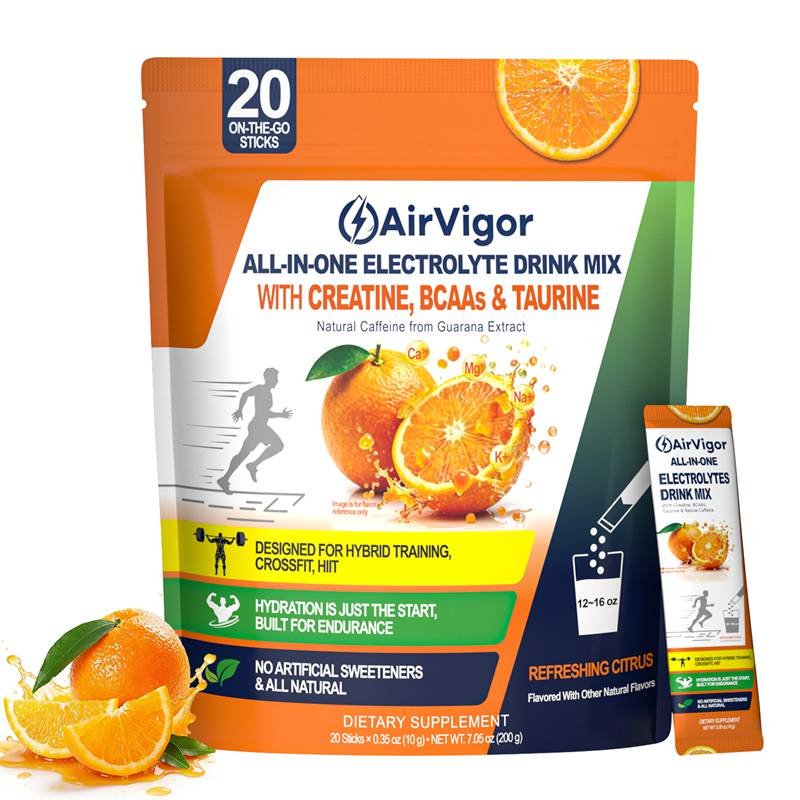
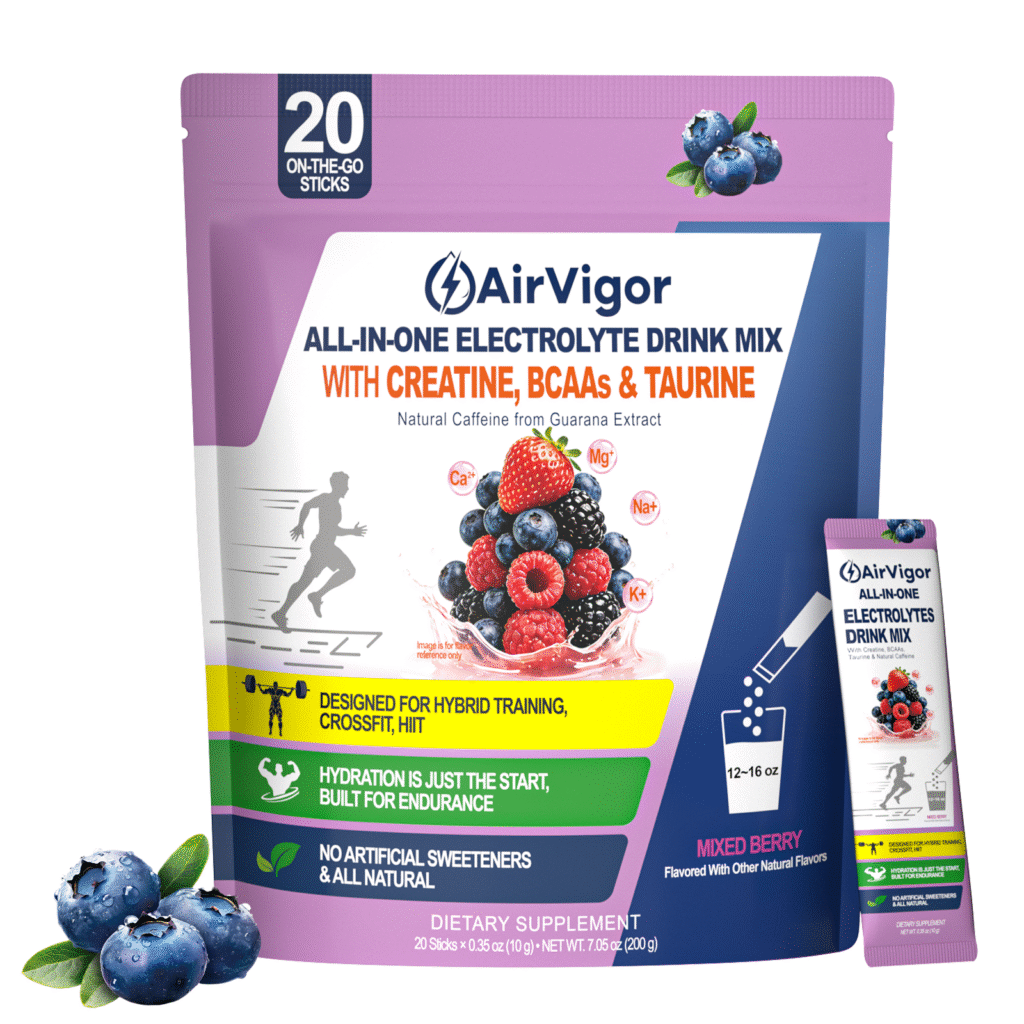
This philosophy is exactly how AirVigor designs its products.
Share:
Contact Expert Team
At AirVigor, performance becomes effortless. We transform advanced nutrition science into clean, effective supplements that help you hydrate, recover, and feel stronger every day. Shop AirVigor on Amazon and experience athlete-trusted formulas—backed by real science and supported by our world-class R&D and production capabilities.
Trust AirVigor
At AirVigor, turning your performance goals into reality is no longer a struggle—it’s a science-driven journey we build together. Whether you’re a runner, lifter, cyclist, yogi, outdoor athlete, or someone simply seeking better daily energy, AirVigor transforms advanced nutrition research into clean, effective, and trustworthy supplements you can feel.
Backed by our U.S. scientific team, global certifications, and world-class production standards, every formula is engineered to deliver real hydration, real recovery, and real performance. And when you’re ready to experience the difference, you’ll find AirVigor products available on Amazon and other major platforms—fast shipping, consistent quality, and a community of athletes already seeing results.
Behind the scenes, our R&D and manufacturing ecosystem also supports specialized formulation development, ensuring AirVigor continues to lead with innovation while keeping quality and safety uncompromised. But at the core, everything we create is built for you—your health, your performance, your momentum.
Choose AirVigor. Feel the science. Elevate your every day.


Subscribe to our newsletter
Sign up to our newsletter and we’ll keep you up to date with the latest arrivals.